If you have never tried moonshine, you probably have some expectations. Maybe you picture something that burns going down, something rough and harsh that requires a grimace and a sharp exhale. You might be surprised. Good moonshine is one of the smoothest, most approachable spirits you can drink. Here is what to actually expect when you open that jar.
The Core Flavor Profile
Moonshine's flavor comes entirely from its grain base and the distillation process. Unlike whiskey, which picks up vanilla, caramel, and oak flavors from barrel aging, moonshine gives you the grain character in its purest form. Think of it as the difference between fresh bread and toast -- both are delicious, but they are distinctly different experiences.
Corn Sweetness
The most prominent flavor in traditional moonshine is a natural sweetness that comes from the corn. This is not the artificial sweetness of added sugar. It is the inherent sweetness of the grain itself -- similar to what you taste when you bite into fresh sweet corn, cornbread, or hominy grits. It is subtle, rounded, and pleasant. In a well-made moonshine, this corn sweetness is the backbone of the entire flavor experience.
Grain Character
Beyond the corn sweetness, you will notice a general grainy quality. It is similar to the aroma of a grain mill or a freshly harvested wheat field -- warm, slightly nutty, with a touch of earthiness. If malted barley is part of the grain bill (which it often is), you may detect a biscuity note, like crackers or dry cereal. This grain character gives moonshine its substance and separates it from neutral spirits like vodka.
Alcohol Heat
Yes, you will feel the alcohol, especially if the moonshine is 100 proof or higher. But "heat" is not the same as "harshness." In a well-distilled moonshine, the alcohol warmth is clean and even -- a gentle warming sensation that spreads through your chest, not a sharp burn that makes your eyes water. The heat is more pronounced on the first sip and tends to soften as your palate adjusts.
If a moonshine tastes harsh, sharp, or chemically, that is a sign of poor distillation -- bad cuts, too-fast runs, or contamination. Quality moonshine, whether it is 80 proof or 100 proof, should always be smooth relative to its strength.
The Finish
Moonshine has a relatively short finish compared to aged whiskey. Where a good bourbon might linger on your palate for thirty seconds or more, moonshine tends to fade within ten to fifteen seconds. The aftertaste is clean -- a lingering corn sweetness and a gentle warmth, but no bitterness, no astringency, and no off-flavors. This clean finish is actually one of moonshine's greatest strengths: it makes the spirit extremely versatile for mixing and very easy to enjoy neat.
How Flavor Varies by Recipe
Not all moonshine tastes the same. The grain bill, the yeast, the water, and the distillation method all influence the final flavor.
- 100% corn mash: Maximum sweetness, very smooth, mild flavor. This is the classic moonshine profile.
- Corn with malted barley: Slightly more complex, with a biscuity or cracker-like note from the malt. Most commercial moonshines use this combination.
- Corn with rye: Adds a spicy, peppery character. Less common in moonshine but increasingly popular among craft distillers.
- Sugar wash moonshine: Some moonshine is made from a sugar-and-water wash rather than grain. This produces a very neutral spirit with little flavor character -- more like vodka than traditional corn moonshine.
- Fruit-based moonshine: Made from fermented fruit (apples, peaches, etc.) rather than grain. These have a distinctly different character -- lighter, fruitier, and often with a pleasant tartness.
Flavored vs. Unflavored
The flavored moonshine category has exploded in recent years, and it is often the entry point for people who are new to the spirit. Here is what to expect from the most popular varieties:
- Apple pie: The best-selling flavored moonshine. Tastes like liquid apple pie -- cinnamon, apple, brown sugar, with the corn base providing warmth. Usually lower in proof (40-70 proof) and very easy to drink. Almost dangerously easy.
- Peach: Sweet, fruity, and summery. Good peach moonshine balances the fruit sweetness against the corn base. Bad peach moonshine tastes like candy.
- Cinnamon: Warm and spicy, similar to a cinnamon candy but less artificial. Works beautifully in hot drinks and fall cocktails.
- Cherry: Tart-sweet, with the corn base keeping it from becoming too sugary. Often one of the more balanced flavored varieties.
- Honey: Smooth and golden, with the honey adding viscosity and a floral sweetness. Excellent sipped neat or added to tea.
- Lemon: Bright and citrusy, with the acidity of lemon cutting through the corn sweetness. Great for mixing.
If you are new to moonshine, flavored varieties are a fine starting point. But we encourage you to also try an unflavored, unaged corn moonshine. The pure spirit is where the real character lives, and it is an experience worth having.
How to Taste Moonshine Properly
You do not need a sommelier's training to appreciate moonshine, but a few simple techniques will dramatically improve your experience.
Step 1: The Pour
Pour about one ounce into a small glass. A rocks glass or a Glencairn whiskey glass works well. Do not use a shot glass -- you are tasting, not shooting.
Step 2: The Look
Hold the glass up to the light. Traditional moonshine should be crystal clear -- no cloudiness, no color, no sediment. Swirl the glass gently and watch the "legs" (the streaks of liquid that run down the inside of the glass). Thicker, slower legs indicate higher viscosity and usually higher proof.
Step 3: The Nose
Bring the glass to your nose, but do not shove your nose into it the way you might with wine. Moonshine is higher in alcohol than wine, and a deep sniff will overwhelm your olfactory receptors. Instead, hold the glass a few inches from your nose and breathe in gently. You should pick up corn sweetness, a slight ethanol note, and perhaps some grain or mineral aromas. Wave the glass slowly under your nose rather than holding it in one position.
Step 4: The First Sip
Take a small sip -- just enough to coat your tongue. Let it sit in your mouth for a moment before swallowing. Your first sip is mostly about acclimating your palate to the alcohol. Do not try to analyze flavors yet. Just register the overall impression: sweet, hot, smooth, rough.
Step 5: The Second Sip
Now that your palate is prepared, take a slightly larger sip. This time, you will be able to taste past the alcohol and into the actual flavor of the spirit. Roll it around your mouth. Notice the sweetness, the grain character, the texture. Swallow and pay attention to the finish -- how long the flavor lingers, what flavors remain, whether the warmth is pleasant or harsh.
Step 6: Add Water (Optional)
If the moonshine is high-proof (100+), try adding a few drops of water. This opens up the aromas and flavors and reduces the alcohol's numbing effect on your palate. Some tasters find that a touch of water reveals flavors they could not detect at full proof.
Food Pairings
Moonshine's clean, sweet character makes it a surprisingly good food companion. Here are pairings worth trying:
- BBQ and smoked meats: The corn sweetness contrasts beautifully with smoky, savory flavors. Pulled pork, brisket, and smoked sausage are all excellent matches.
- Sharp cheese: Aged cheddar, gouda, or parmesan. The salt and umami of the cheese complement the sweet grain character.
- Cornbread: It sounds obvious, but corn-on-corn is a real thing. The bread and the spirit amplify each other's best qualities.
- Fried foods: Fried chicken, catfish, hush puppies. The moonshine's warmth cuts through the richness of the fried coating.
- Apple and pear desserts: Apple pie, pear tart, fruit crisps. The fruit's acidity and sweetness harmonize with the corn base.
- Dark chocolate: The bitterness of dark chocolate (70%+ cacao) provides a counterpoint to the moonshine's sweetness. An underrated combination.
- Spicy food: Proceed with caution here -- alcohol amplifies heat. But a small sip of moonshine between bites of spicy food can be surprisingly refreshing, as the corn sweetness helps reset the palate.
The Bottom Line
Moonshine tastes like what it is: the essence of American grain, distilled and unadorned. It is sweeter than you expect, smoother than its reputation suggests, and more versatile than most people realize. Whether you drink it neat, on ice, or mixed into a cocktail, good moonshine rewards attention. Take your time with it. Taste it properly. And let the spirit speak for itself.
Experience the spirit
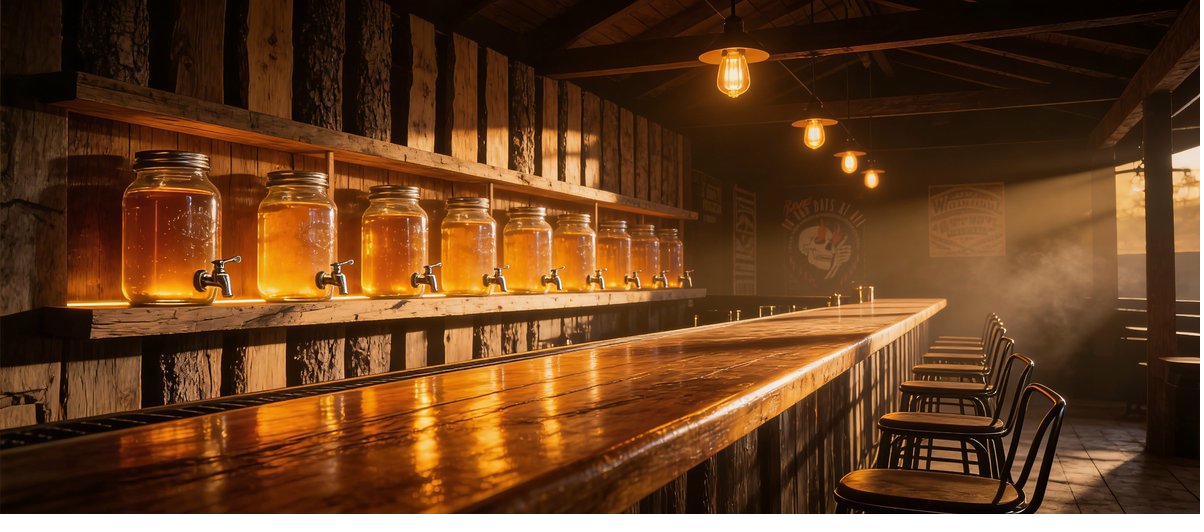
Visit our Helena venue for a firsthand taste of Montana moonshine culture.
Explore the Venue